World Environment Day: How Udanti Sitanadi’s ecological revival is bringing rare wildlife back

Raipur
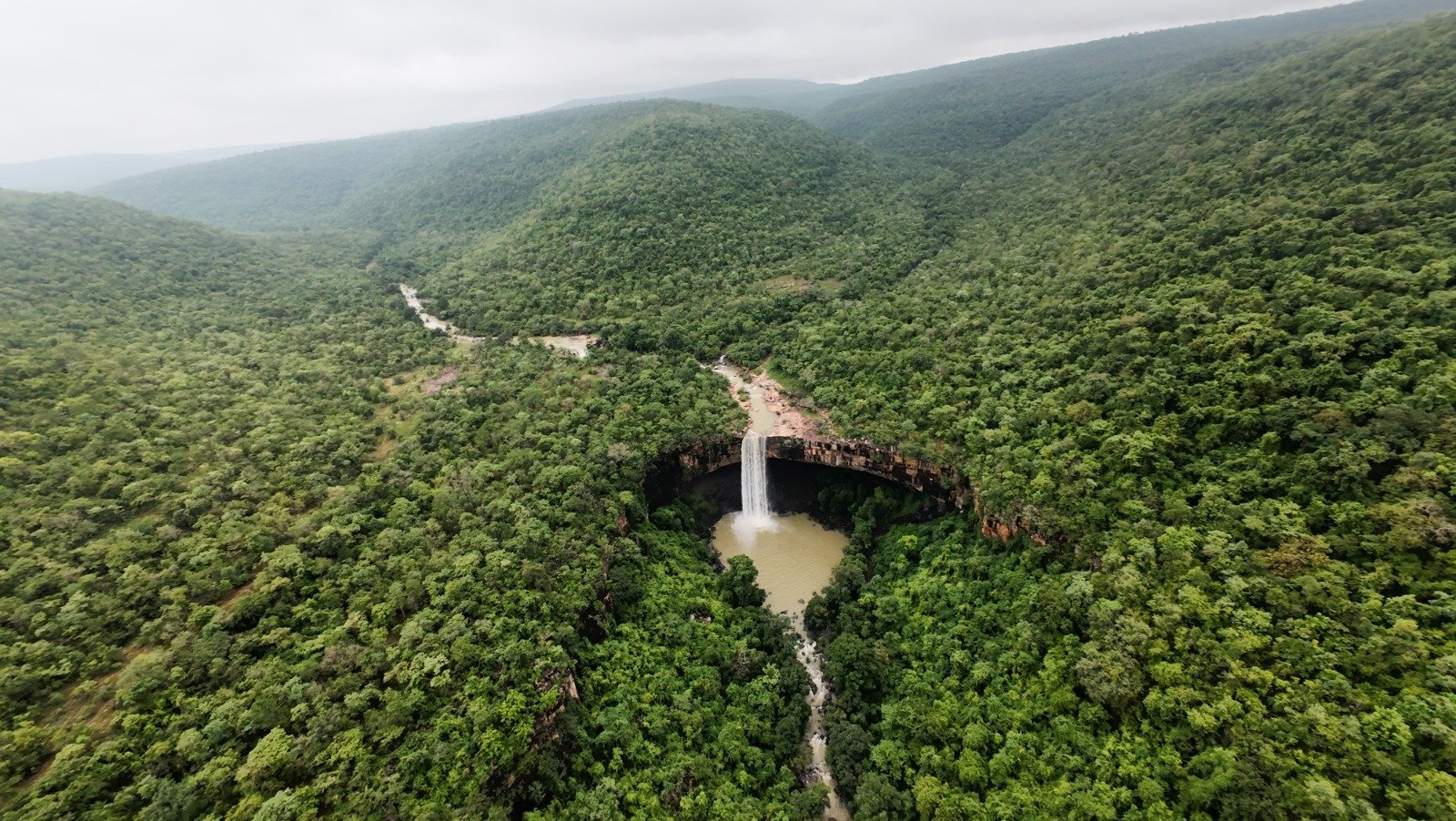
As the world observes World Environment Day and reflects on the importance of restoring ecosystems, the transformation unfolding in Chhattisgarh’s Udanti Sitanadi Tiger Reserve (USTR) offers a compelling example of how sustained conservation efforts can revive degraded landscapes and bring back rare wildlife.
Over the past four years, a combination of anti-encroachment drives, anti-poaching operations, habitat restoration, and community participation has helped the reserve emerge as a safer and healthier ecosystem. Forest officials say these interventions have resulted in a steady increase in sightings of several rare and ecologically sensitive species, signalling the recovery of the reserve’s biodiversity.

Among the species now being regularly recorded are the Malabar pied hornbill, Indian giant squirrel, Indian flying squirrel, Indian paradise flycatcher, Indian pitta, and the tricarinate hill turtle. Wildlife experts regard the presence of such species as an indicator of a thriving forest ecosystem.
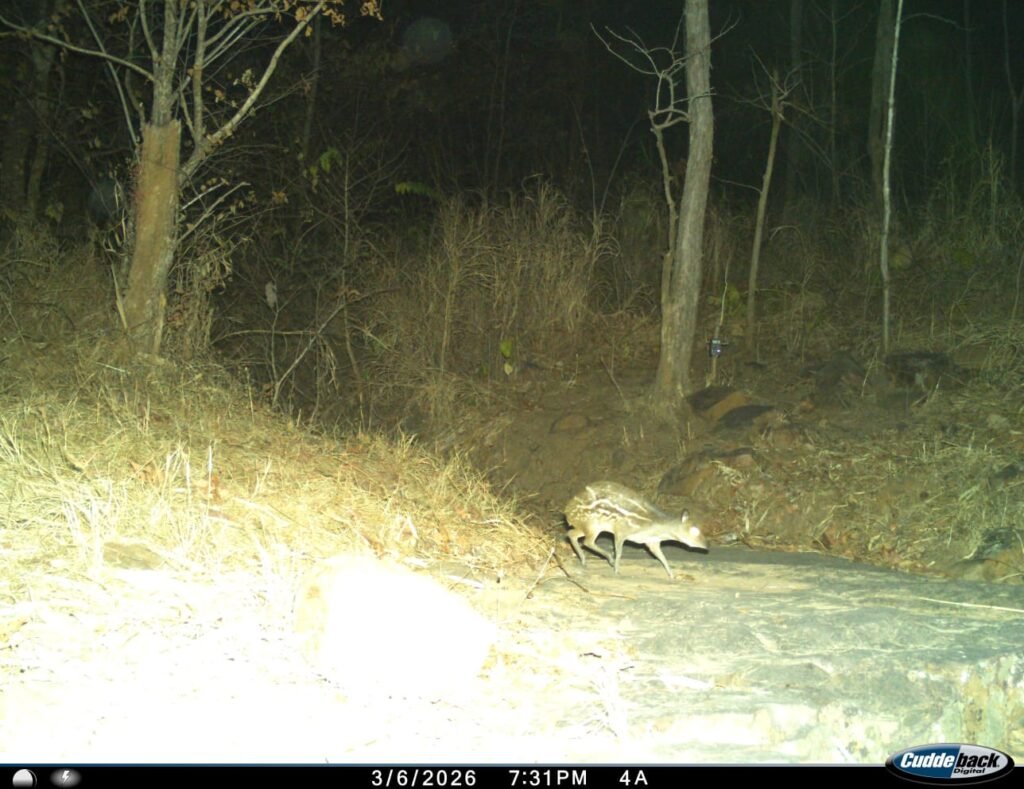
Particularly noteworthy is the sighting of the Malabar pied hornbill, a bird more commonly associated with the Western Ghats and Himalayan foothills, and the tricarinate hill turtle, which is generally found in the Himalayan and Northeastern hill ranges. The All India Tiger Estimation 2026 further documented the presence of other elusive species, including the chevrotain (mouse deer), small-clawed otter, Eurasian otter, and pangolin. Officials described the first-ever camera-trap record of a pangolin in the reserve as a significant conservation milestone for Chhattisgarh.
Reclaiming forests, restoring habitats
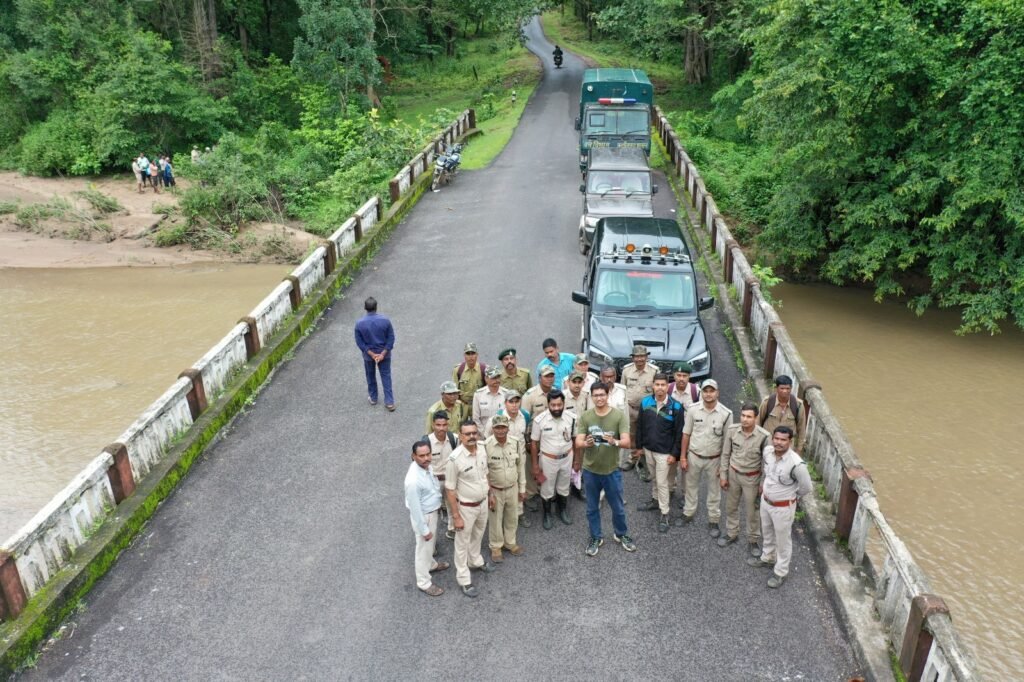
According to forest authorities, the ecological recovery has been driven by an intensive conservation campaign that began four years ago. During this period, encroachments were removed from 956 hectares (approximately 2,500 acres) across the core and buffer zones of the reserve in the Mahanadi catchment area.
The reclaimed land, estimated to have a net present value (NPV) of ₹573 crore, has enabled the restoration of large and continuous wildlife habitats. Officials said the anti-encroachment operations were challenging, with frontline staff surviving four life-threatening attacks while carrying out the drives.
Simultaneously, targeted anti-poaching operations led to the arrest or detention of more than 550 poachers, wildlife traffickers, and illegal encroachers. These enforcement efforts extended beyond Chhattisgarh into neighbouring Odisha and Maharashtra to secure the wider landscape and strengthen wildlife protection.
The reserve has also adopted technology-driven measures to reduce human-wildlife conflict and improve surveillance. Elephant tracking and alert mobile applications, thermal drone monitoring, and AI-enabled camera systems are now part of the reserve’s conservation toolkit.
Communities become partners in conservation
A key factor behind the reserve’s revival has been the active involvement of local communities. Through initiatives such as the “Hornbill Restaurants” programme, villagers and forest officials have planted and protected indigenous fruit-bearing trees to ensure a year-round food supply for hornbills.
Another initiative, “Weaving the Canopy Cover”, focuses on reforestation and habitat restoration to create natural canopy linkages that allow tree-dwelling species such as the Indian giant squirrel and flying squirrel to move safely through the forest.
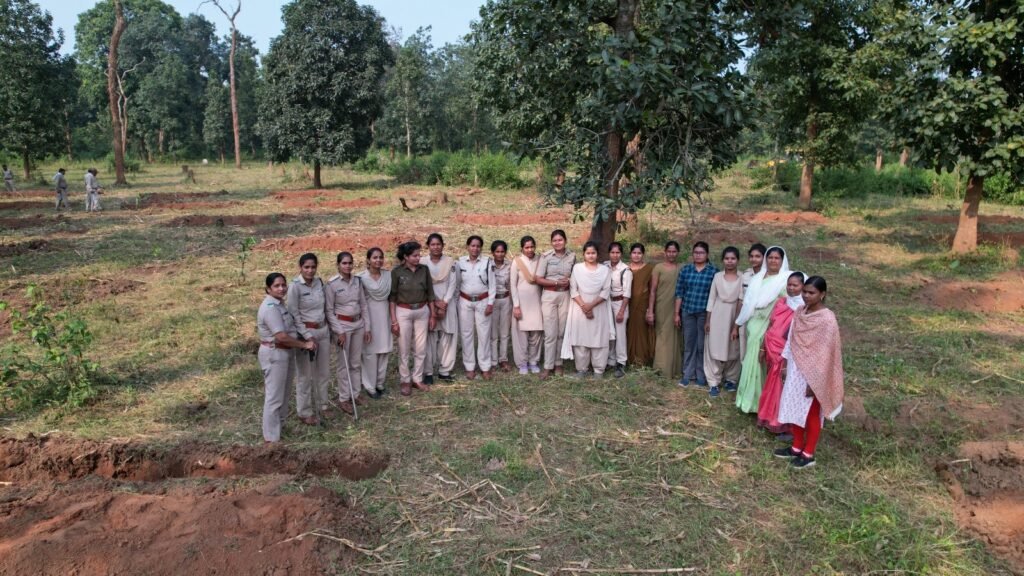
Forest protection committees, women’s self-help groups, local youth, and school students are actively engaged in plantation drives, wildlife monitoring, nest protection, forest-fire management, and awareness campaigns. Officials say this collaborative approach has strengthened conservation outcomes while also generating livelihood opportunities through eco-tourism.
Nature-based climate action
Beyond biodiversity conservation, the restoration of 956 hectares of forest land is contributing to climate resilience. Areas once subjected to illegal cultivation and human pressure are witnessing rapid natural regeneration.
As vegetation returns, these recovering forests absorb atmospheric carbon dioxide and store it in biomass, helping mitigate climate change. Experts note that tropical dry and mixed forests can act as significant carbon sinks, making the restored landscapes of USTR important for both state and national climate goals.
The ecological benefits extend beyond carbon storage. Forest officials report improvements in soil conservation, groundwater recharge, rainwater retention, seasonal stream flows, and local temperature regulation. Healthy forest cover also helps buffer surrounding communities against droughts, heatwaves, and other extreme weather events.
On this World Environment Day, the story of Udanti Sitanadi Tiger Reserve demonstrates how determined conservation action, supported by local communities and modern technology, can restore ecosystems, protect biodiversity, and deliver long-term environmental benefits for both wildlife and people.