City retains place in national top three for second consecutive year; receives Presidential Award from Droupadi Murmu
Raipur, November 12: Bilaspur has secured the second position among the cleanest riverfront cities in the country in the Swachh Survekshan 2025-26, retaining its place among the national top three for the second consecutive year.
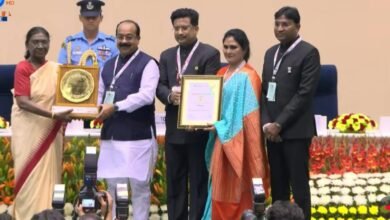
President Droupadi Murmu presented the award to Bilaspur at a ceremony held at Vigyan Bhawan in New Delhi on Wednesday. Deputy Chief Minister Arun Sao, Bilaspur Mayor Pooja Vidhani, Principal Secretary of the Urban Administration Department Sonmani Bora and Municipal Commissioner Prakash Kumar Sarve received the award on behalf of the city.
The latest ranking assumes significance as Bilaspur had secured the second position in the overall national ranking in Swachh Survekshan 2024. The city made a remarkable improvement from the 28th position in 2023 to the national top three in subsequent surveys.
This year’s survey introduced separate categories for riverfront, coastal and Himalayan towns. In the riverfront category, Rewa secured the first position, followed by Bilaspur, while Varanasi ranked third. A total of 4,751 cities participated in the nationwide assessment across categories.
The achievement is attributed to improvements in sanitation infrastructure, increased resources, mechanised and manual sweeping, better waste management, strict monitoring and sustained public participation.
A team constituted by the Union Ministry of Housing and Urban Affairs visited Bilaspur in May to assess its sanitation standards. The assessment included ground-level inspections, citizens’ feedback, cleanliness of public places, availability of civic amenities and the condition of public toilets.
The Municipal Corporation had constituted a dedicated team to prepare for the survey and undertook year-round cleanliness drives. Bilaspur had already secured a five-star rating under the Garbage-Free City certification and the ODF++ status.
Expansion of Door-to-Door Waste Collection
One of the major interventions was strengthening door-to-door garbage collection, particularly in newly incorporated areas. The corporation procured 36 small tipper vehicles in 2024 using funds from the 15th Finance Commission. Subsequently, 26 electric waste collection vehicles were added by the agency Ramky.
With these additions, the number of waste collection vehicles increased from 124 in 2023-24 to 191.
At present, the Municipal Corporation covers 70 wards and collects around 270 tonnes of waste daily from 1,79,180 households with the help of 700 workers, including 449 Swachhata Didis. The collected waste is transported to the RDF plant at Kachhar and various self-help group resource management centres.
Mechanised Sweeping Extended to New Areas
The corporation also expanded mechanised and manual road sweeping to newly incorporated areas. Earlier, the system covered 27 km of roads daily, with 1,330 sanitation workers deployed across 475 beats.
The coverage has now increased to 49.34 km daily, with 2,063 sanitation workers and 750 beats, ensuring improved cleaning of major roads, intersections and neighbourhood streets.
A Construction and Demolition (C&D) Waste Processing Plant was also established at Tifra, where construction debris is converted into products such as flower pots, paver blocks and bricks.
Focus on Public Sanitation and Waste Management
The corporation constructed four pink toilets exclusively for women and three high-facility aspirational toilets in busy parts of the city. It also renovated all 79 public and community toilets and installed feedback machines to record citizens’ suggestions and complaints.
Sanitary napkin vending machines and incinerators were installed in public toilets to improve facilities for women.
Under its Waste-to-Wonder initiative, 15 locations were developed using recycled and discarded materials to create decorative installations.
The corporation also introduced a ‘Swachhata Patrol’ team, which uses mobile vans to visit different parts of the city, counsel people against littering and impose fines on violators.
User-charge collection for sanitation services also increased. The corporation collected Rs 9.13 crore in 2023-24, Rs 14.50 crore in 2024-25 and Rs 15.09 crore in 2025-26, registering a 37.05% increase in the latest financial year over the previous year.
The city also expanded its sewage treatment infrastructure from two plants to four, with existing facilities at ChilhatI and Domuhani and additional facilities at Koni and Jwali Nala. Special drives were undertaken for the rejuvenation of ponds and the Arpa River.
Union Minister of State for Housing and Urban Affairs Tokhan Sahu said the second national rank reflected the commitment of the administration and citizens to eliminating uncleanliness. He said Bilaspur would emerge as a model for cleanliness and urban development.
Bilaspur MLA Amar Agrawal described the achievement as the outcome of collective efforts under the Swachh Bharat Mission and said sustaining the ranking would be a shared responsibility.
Mayor Pooja Vidhani and Municipal Commissioner Prakash Kumar Sarve also credited the achievement to teamwork, civic participation and the efforts of sanitation workers.
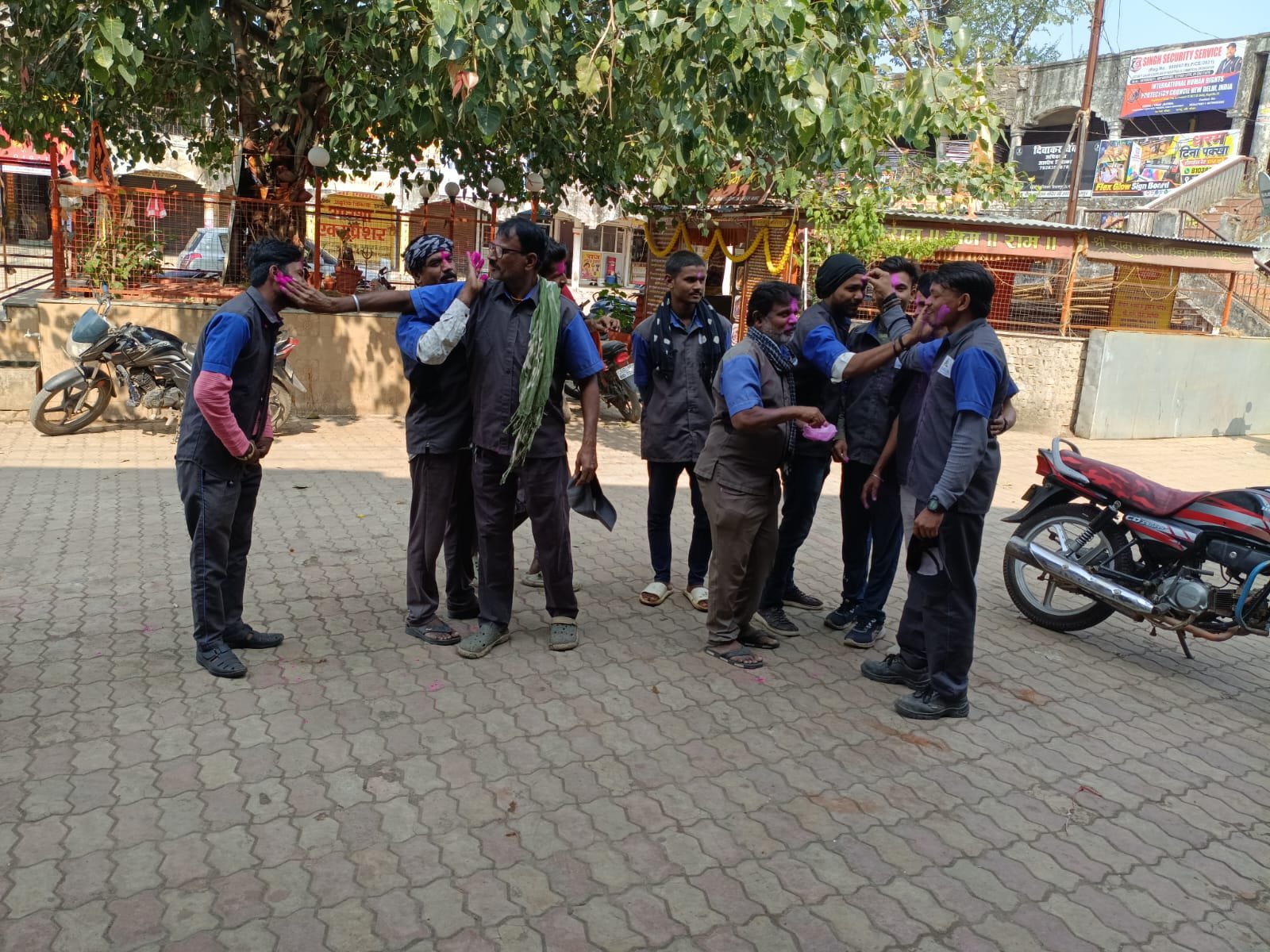
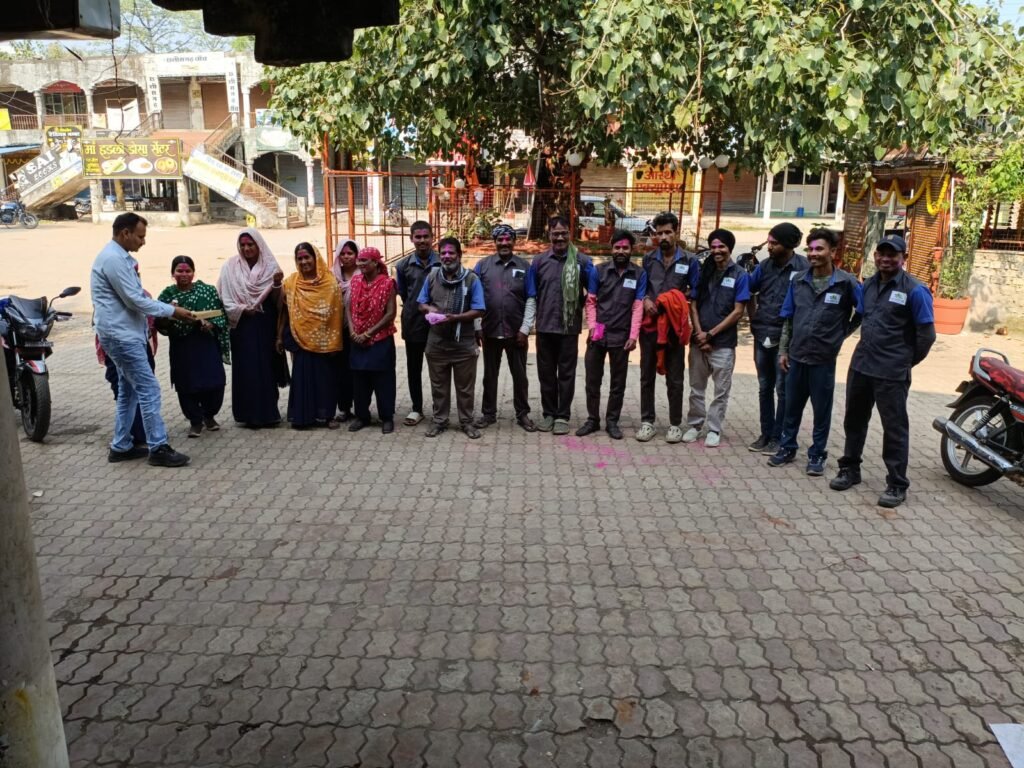
Celebrations were held at the Municipal Corporation’s Vikas Bhawan office after the announcement, with sanitation workers and officials exchanging greetings, applying gulal and bursting crackers.