Teacher, clerk arrested in ₹1.5 crore fake job racket; forged government orders used to dupe 34 aspirants

Raipur
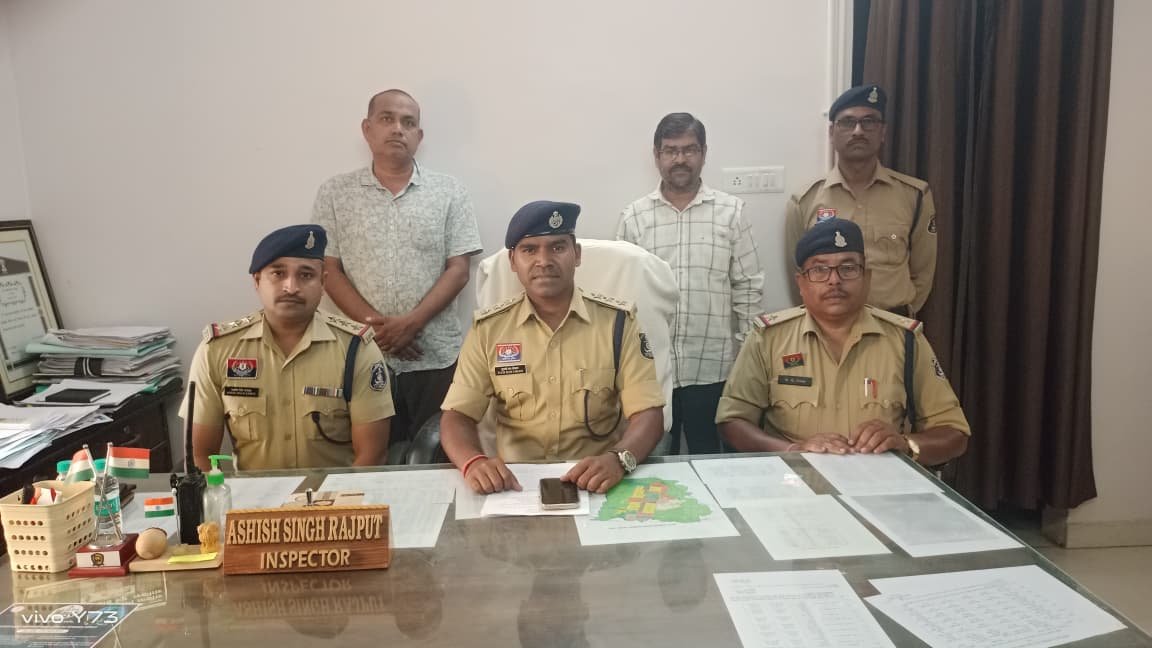
In a major crackdown, Raipur Rural Police have arrested a government school teacher and a private school clerk for allegedly running a fake job racket worth around ₹1.5 crore. The accused issued forged appointment orders in the name of the Chhattisgarh government to cheat nearly three dozen job seekers.
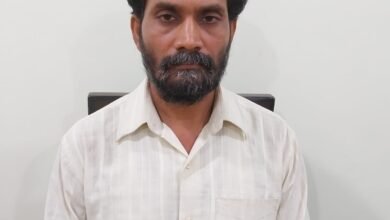
The accused have been identified as Rajesh Sharma (53) and Manoj Kumar Shrivastava (52), residents of Dongargarh in Rajnandgaon district.
According to police, the duo created fake appointment letters dated March 5, 2026, claiming they were issued by the General Administration Department (GAD). The forged documents promised jobs in multiple departments, including transport, revenue, disaster management, forest and climate change, panchayat and rural development, and school education. They also carried digitally fabricated signatures of senior officials to appear authentic.
The scam came to light after Rajpal Baghel from GAD filed a complaint at Rakhi police station on April 24, 2026, stating that the fake orders were going viral on WhatsApp and money was being demanded from job aspirants.
Police registered an FIR and formed a Special Investigation Team (SIT). Through technical surveillance and mobile data analysis, investigators traced the origin of the fake documents to Rajesh Sharma, who was later detained from Dongargarh.
During interrogation, Sharma revealed that he planned the scam due to mounting debts and financial distress, aiming to make quick money by luring unemployed youth. He later involved Shrivastava, who helped prepare the fake documents on a computer and circulate them via WhatsApp.
Police said the accused collected money from at least 34 victims. In one case, they took ₹1.9 lakh from a woman in Bhilai, which was later returned after complaints surfaced.
Authorities seized computer equipment including monitor, CPU, keyboard, mouse, and printer used in the crime.
A case has been registered under Sections 318(4), 319(2), 336(3), and 3(5) of the Bharatiya Nyaya Sanhita (BNS), along with Section 66D of the IT Act, and further investigation is underway.
Officials warned that the case highlights the growing misuse of digital platforms for job frauds and urged citizens to verify government recruitment notices through official channels before making any payments.