RAIPUR: A high-level committee headed by retired judge Ranjana Prakash Desai will be constituted to prepare a draft for the Uniform Civil Code (UCC) in Chhattisgarh.
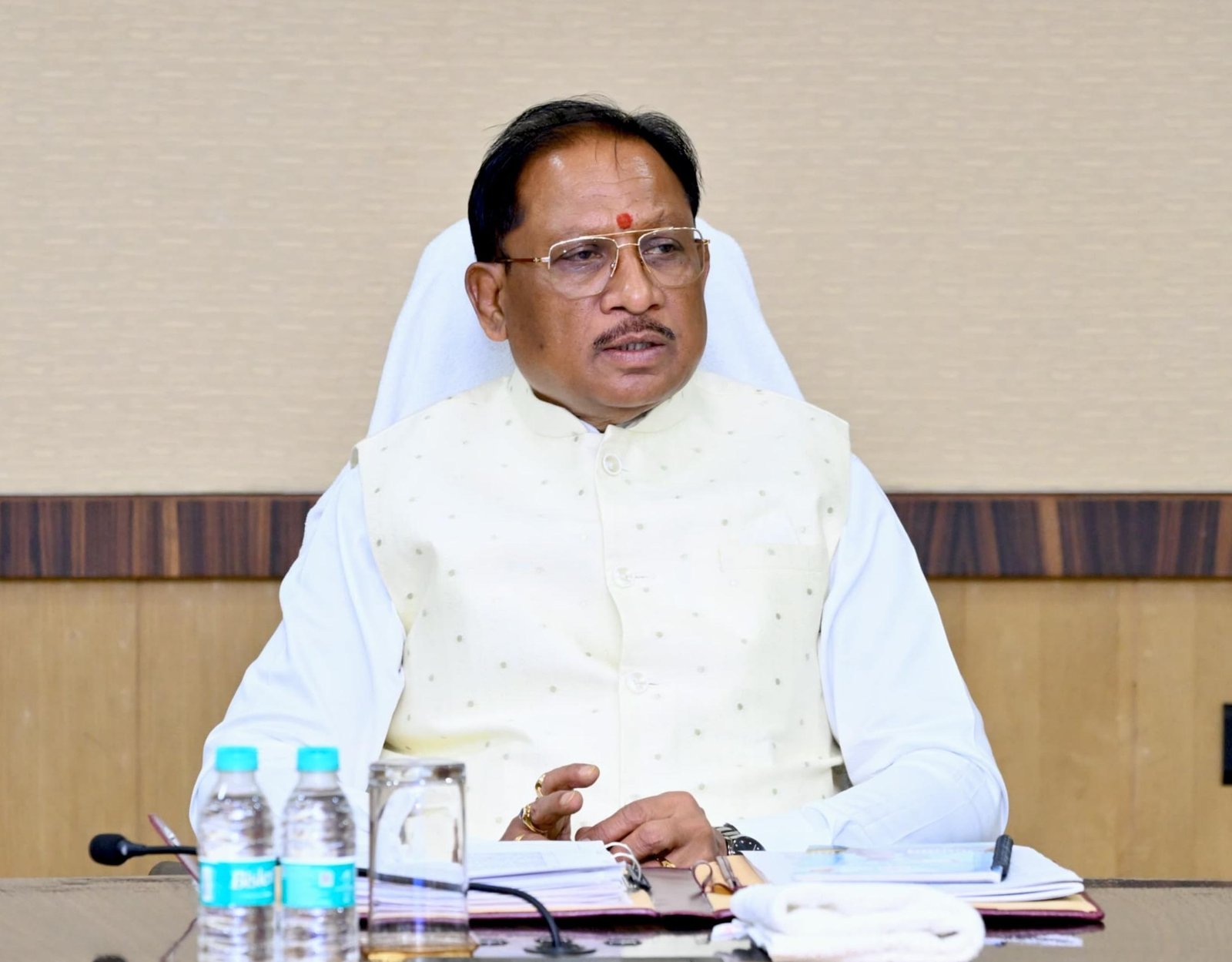
The state cabinet, chaired by Chief Minister Vishnu Deo Sai at Mahanadi Bhavan, authorized the CM to nominate members for the panel.
The committee will seek suggestions from citizens, experts and organizations, and may also invite feedback through a web portal. The move aims to simplify and unify personal laws governing marriage, divorce, inheritance and adoption, which currently vary by religion.
In a significant boost to women’s empowerment, the cabinet decided to slash registration fees by 50% if property is registered in a woman’s name. This step will result in a revenue loss of ₹153 crore for the state.
The government also announced a 25% exemption on stamp duty for serving personnel, ex-servicemen and their widows on a one-time property purchase up to ₹25 lakh.
To improve the business climate, the cabinet approved amendments to the Chhattisgarh Industrial Land and Building Management Rules, 2015, allowing service sector land allotment and enabling NBFCs to provide credit to industries.
Key decisions were also taken in the mining sector, including amendments to the Minor Mineral Ordinary Sand Rules, 2025. Sand mines can now be reserved for public sector undertakings like Chhattisgarh Mineral Development Corporation Limited to prevent monopoly and ensure steady supply.
The cabinet also hiked dead rent for minor mineral mines for the first time in 30 years and introduced strict penalties for illegal mining, with fines ranging from ₹25,000 to ₹5 lakh.
The state will partner with Indian Immunologicals Limited (a subsidiary of National Dairy Development Board) to procure livestock vaccines for 2026-27, aiming to prevent infectious diseases.
In a major financial settlement, the cabinet cleared the return of ₹10,536 crore in excess pension payments to Madhya Pradesh. While ₹2,000 crore has already been paid in 2025-26, the remaining ₹8,536 crore will be paid in six annual installments.