Chhattisgarh rationalises 10,538 schools, fills teacher gaps in 2-year education overhaul

Raipur
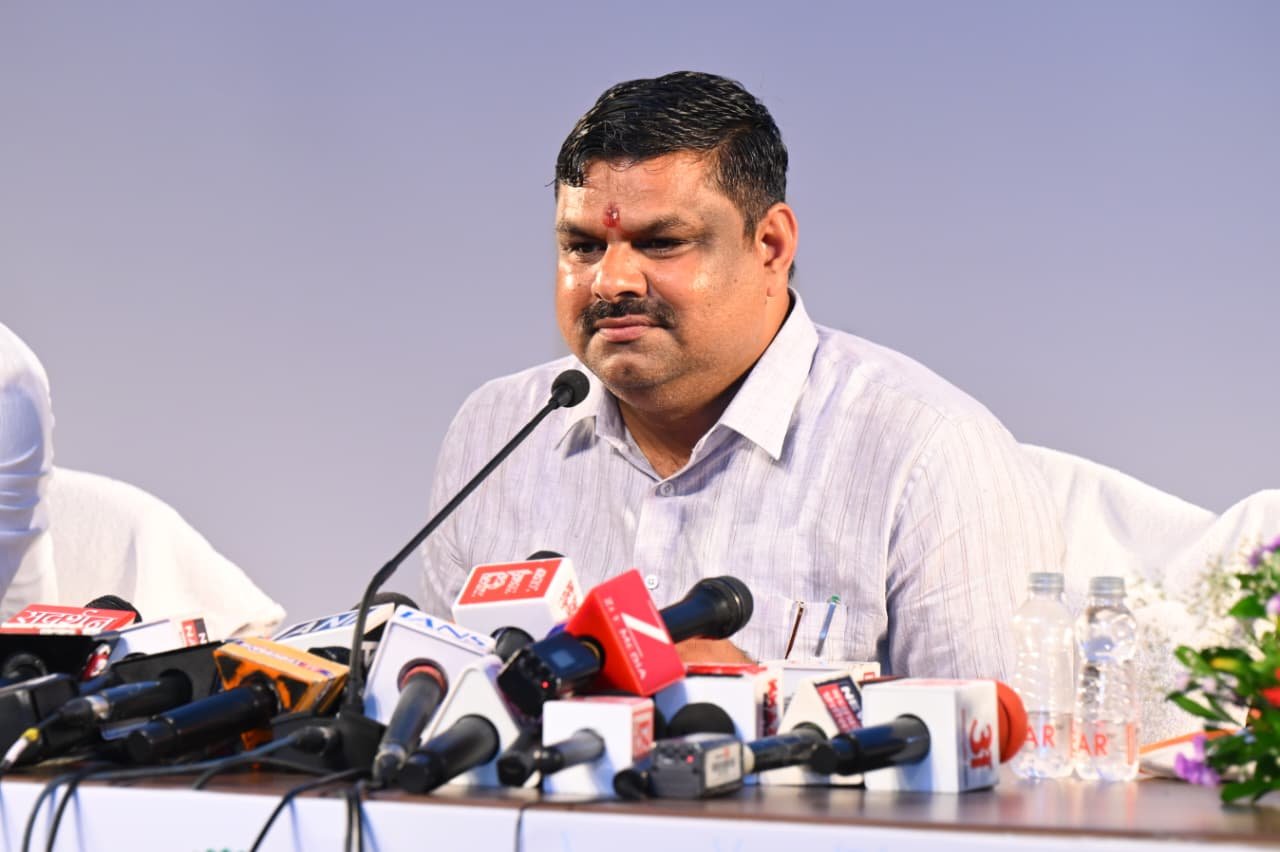
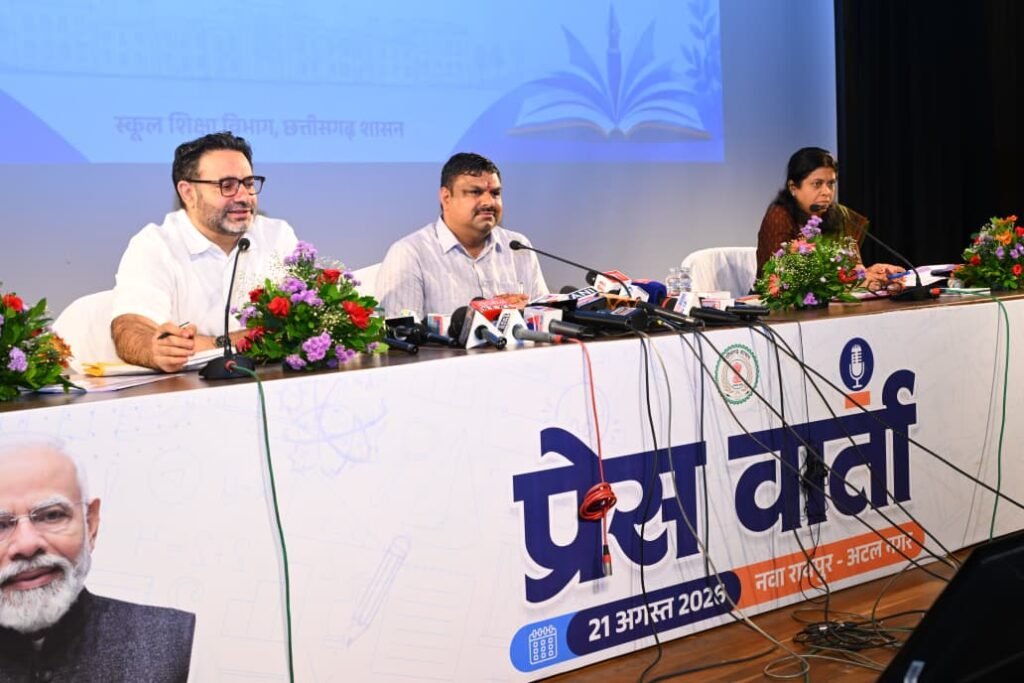
The Chhattisgarh school education department has completed rationalisation of 10,538 schools and adjusted 15,165 teachers and principals as part of efforts to address staff shortages and implement provisions of the National Education Policy (NEP) 2020 and the Right to Education (RTE) Act, 2009, School Education Minister Gajendra Yadav said at a press conference on Friday.
The rationalisation exercise helped address teacher shortages in 453 teacherless schools, while teachers were posted to 4,729 single-teacher schools, the minister said.
During the past two years, the department promoted 2,813 principals, including 1,335 in the T-cadre and 1,478 in the E-cadre, along with 1,798 lecturers in the T-cadre. More than 7,000 primary and middle school headmasters were also promoted.
The department has completed direct recruitment to 2,104 academic posts, while recruitment to another 5,000 teaching posts is underway. Hiring for more than 3,000 contractual positions under the Swami Atmanand and Swami Vivekananda schools is also in progress.
The department introduced state-level Computer Based Tests (CBT) for contractual recruitment in Swami Atmanand and Swami Vivekananda Exemplary Schools. The selection process for 3,066 contractual posts is currently underway, with results expected within a week.
A uniform academic calendar has been introduced for the 2026-27 academic session. From April 1, 2027, the state’s academic session will be aligned with the Central Board of Secondary Education (CBSE) calendar.
The department has also made changes to textbooks and classroom instruction to promote learning in local languages. Textbooks for Classes 1 and 2 now incorporate Barakhadi and have been prepared in 16 local dialects and four inter-state languages. Chhattisgarh has become the first state in the country to complete linguistic mapping, officials said.
To facilitate classroom teaching in local mother tongues, 2,700 educators in Bastar division and 2,368 teachers in Surguja division have been trained.
The department has also introduced an AI-based Vidya Samiksha Kendra (VSK) and biometric systems to improve teacher attendance and discipline. Around 85% of teachers are marking their daily attendance through the VSK mobile application.
Barcode-based tracking of textbook distribution has also resulted in savings of Rs 40 crore to the state exchequer, the department said.
On infrastructure, the 2026-27 budget has provisions for 700 new school buildings. In addition, Rs 100 crore has been sanctioned for the construction and operation of 150 Swami Vivekananda Exemplary Schools.
Under welfare schemes, the state distributed free bicycles to 1,62,827 Class 9 girls belonging to SC, ST and BPL families. More than 28,63,786 students from Classes 1 to 8 received free uniforms in updated colour schemes.
Free textbooks were provided to 45,33,261 students before the commencement of the academic session, the department said.
In Bastar division, 48 schools that had earlier been closed because of Naxal activity or zero enrolment were reopened under the Niyad Nellanar initiative. The government also established 36 new schools in the division.
The department said the measures were aimed at improving teacher availability, strengthening school infrastructure, promoting education in local languages and expanding access to schooling, particularly in remote and previously affected areas.