Tulsi Village’s Enchanting Sculpture: Witness Lord Shri Ram, Lakshman, Mata Sita crossing the sacred Ganges with the benevolent assistance of Nishad Raj

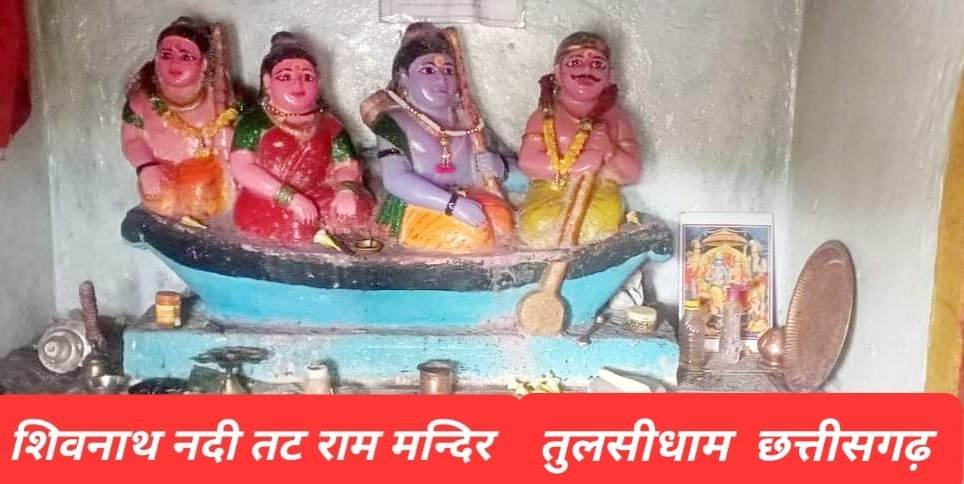
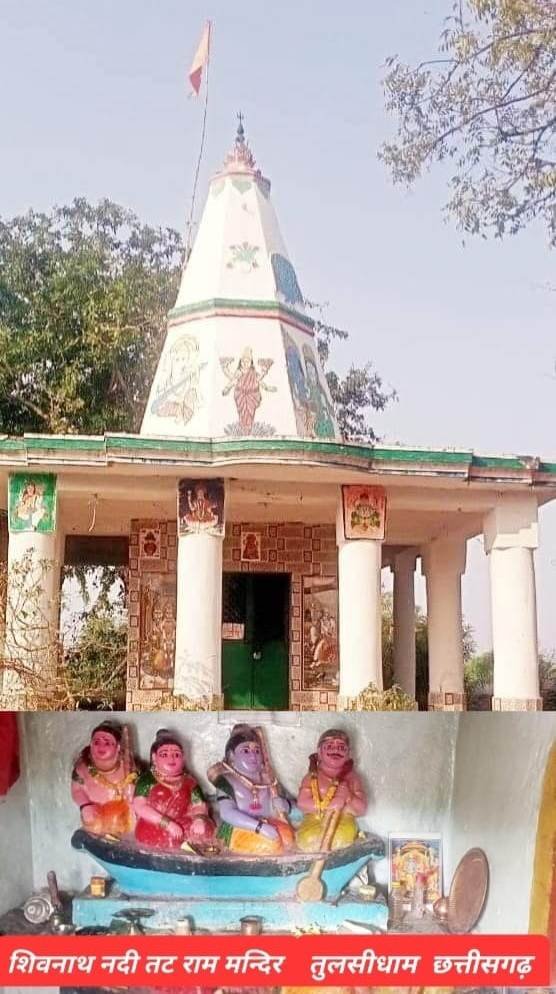
Chhattisgarh reverberates with the spiritual energy of Lord Shri Ram, as his divine presence pervades every nook and cranny of the state. A captivating sculpture inspired by the events of the Ramayana has been crafted in Tulsi village situated near Shivnath River. This artwork portrays Lord Shri Ram, Lakshman, and Mata Sita crossing the sacred Ganges with the benevolent assistance of Nishad Raj. The sculpture revives the enchanting tale of Lord Shri Ram, Lakshman, and Mata Sita crossing the river during the exile period.
The state government is developing Tulsi village as a popular tourist destination. A project plan is being chalked out for this purpose. It is worth mentioning that under the ‘Ram Van Gaman Tourism Circuit’ project, the state government is creating a circuit of places associated with Lord Shri Ram to preserve the memories of his journey in Chhattisgarh. Tulsi village is home to temples and shrines located in all four directions, attracting frequent visits from visitors and devotees. In addition to tourists from the state, a large number of tourists from other states have also started coming here.
This temple in Tulsi village, adorned with trees and plants, situated on the banks of the Shivnath River, provides a peaceful ambiance for visitors. Adjacent to the temple, beneath the Muktidham, is ‘Ramghat Pushpasthali’ where the village residents and nearby devotees engage in activities including sacred bathing, meditation, offering prayers, and performing ash immersion rituals. Presently, the villagers have also initiated the Shivnath Ganga Aarti from Cherchera Punni, which takes place at various times throughout the day.
To the south of Ram Mandir lies Mohan Tapu, a picnic spot. The construction of an annicut, thanks to government initiatives, ensures consistent water storage throughout the year. Besides, to cater to the water requirements of farmers, the state government has also implemented a lift irrigation project. At the heart of the village stands a temple dedicated to Maa Mahamaya, radiating her divine presence. Heading north, near the village pond, lies a Jaitkham dedicated to Baba Guru Ghasidas Ji and a grand temple and ashram. Every January, a fair is organized here, attracting followers of the Satnami sect. Furthermore, Damakheda, the center of the Kabir Panth, is located five kilometers from Tulsi village. At a distance of three kilometers, the ancient Chitawari Devi Temple, a site of archaeological significance, can be found. Lastly, two kilometers away, is the Mauli Mata-Shakti Mata Temple which attracts a large number of tourists and devotees.
Tulsi village is home to folk artists performing various folk traditional genres including Ramayana Mandalis, Ramleela, Satnam Dhuni, Gaura-Gauri, Jasgeet, Bansgeet, Raut Nacha, Sua, Gadwa Baja, Phag geet, Nacha, and Chandaini.
The state government is also committed to the village’s development, and the district administration is actively formulating special development plans for the village. Several construction projects, such as electrification, gardens, high mast lights, Muktidham, boundary walls, stage, community hall, check dams, CC roads, leveling of grounds, and boating facilities, are currently underway.