Mahanadi Water Disputes Tribunal Gets 9-Month Extension, New Deadline Set for January 13, 2027

Raipur: The Union government has extended the tenure of the Mahanadi Water Disputes Tribunal by nine months, setting a new deadline of January 13, 2027. The move is aimed at resolving the 44-year-old water-sharing dispute between Chhattisgarh and Odisha, with a final verdict expected in early 2027.
The Mahanadi River originates from the Sihawa mountain range in Dhamtari district of Chhattisgarh. It flows for about 851 kilometres through Chhattisgarh, Odisha, Madhya Pradesh, Maharashtra, and Jharkhand, before emptying into the Bay of Bengal. Around 53% of the catchment area lies in Chhattisgarh, while 46.5% is in Odisha, with Chhattisgarh contributing a major share of the river’s water flow.
Background of the Dispute
The dispute dates back to 1983, when it first emerged between the then-undivided Madhya Pradesh and Odisha. Despite several agreements, the issue remained unresolved. In 2016, the Odisha government filed a complaint under the Inter-State River Water Disputes Act, 1956, prompting intervention by the Centre.
A negotiation committee was initially formed, which submitted its report in May 2017. It concluded that the dispute could not be resolved through dialogue due to lack of participation from Odisha. Subsequently, the tribunal was constituted on March 12, 2018.
Procedural Delays
The tribunal proceedings faced multiple delays due to quorum issues, administrative challenges, and the resignation of former chairperson Justice A.M. Khanwilkar. The COVID-19 pandemic also disrupted hearings and investigations, leading to repeated extensions.
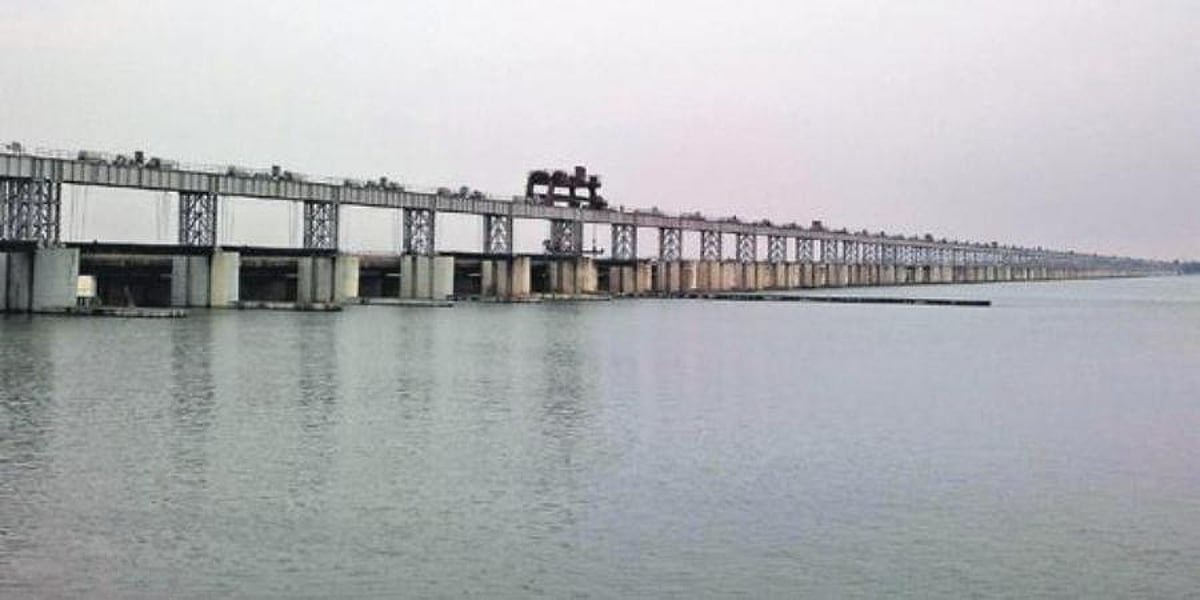
The tribunal team conducted field visits in Raipur, Bilaspur, and Korba, inspecting projects on the Mahanadi and Hasdeo River, and collecting technical data from officials of both states.
Arguments from Both States
The Odisha government alleges that construction of dams and barrages in Chhattisgarh has reduced the river’s natural flow, especially during the non-monsoon season. It claims this has lowered water levels in the Hirakud Dam, affecting agriculture, industries, and drinking water supply.
On the other hand, the Chhattisgarh government denies these claims, arguing that the Hirakud Dam uses water beyond agreed limits. It maintains that 80–90% of the Mahanadi’s water comes from tributaries such as the Shivnath and Hasdeo rivers, and insists that its water rights must be protected.
Why the Verdict Matters
The Mahanadi River is a crucial source of irrigation, power generation, and drinking water for both states. The tribunal’s final verdict is expected to have a significant impact on the socio-economic future of the region.