Congress in Chhattisgarh advocates for Lok Sabha elections using ballot papers instead of EVMs

Raipur
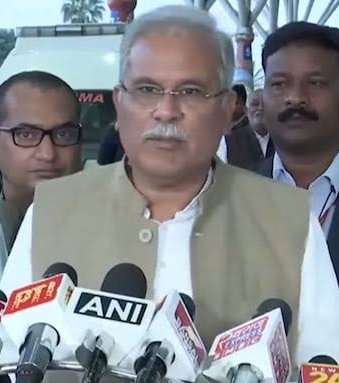
The Chhattisgarh Congress has voiced its preference for conducting Lok Sabha elections through traditional ballot papers rather than Electronic Voting Machines (EVMs). Former Chief Minister Bhupesh Baghel has rallied party members to nominate themselves as candidates, signaling a shift in electoral strategy.
Baghel, nominated as a Lok Sabha candidate from Rajnandgaon, addressed a workers’ conference in Patan of the Durg Lok Sabha constituency, elucidating the intricacies of Lok Sabha elections. He emphasized that if the number of candidates exceeds 384 in any constituency, the election should be conducted using ballot papers. Such a stance, according to Baghel, secures Congress’s electoral prospects.
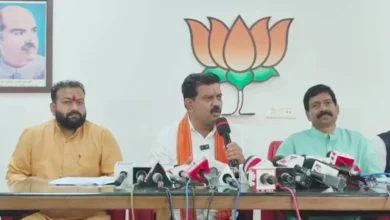
The announcement has sparked political turmoil, prompting the Bharatiya Janata Party (BJP) to lodge a complaint with the Election Commission. BJP alleges that Baghel’s stance against EVMs is aimed at instigating public distrust in the electoral process. However, Baghel contends that conducting elections through ballot papers exposes the BJP’s vulnerabilities, asserting that the party tends to question EVMs only when faced with defeat.
During the conference, party workers echoed Baghel’s sentiments, advocating for the abandonment of EVMs in favor of traditional balloting. Furthermore, block-level Congress workers proposed fielding more than 384 candidates in elections to trigger the use of ballot papers.
Despite the Congress’s push for ballot-based elections, questions remain regarding the practicality of such a shift. Chief Electoral Officer Rajeev Kumar has stated that accommodating 384 candidates is feasible, requiring the deployment of 24 balloting units, including the option for NOTA (None of the Above). However, concerns linger over logistical challenges, including ballot issuance, security, and prolonged voting and counting processes.
The Congress’s persistent skepticism toward EVMs is evident, with senior party leaders, including Rahul Gandhi, questioning their reliability. Allegations of EVM tampering have surfaced following electoral defeats, prompting calls for a return to paper ballots.
In response to Baghel’s statements, a complaint has been filed against him for violating the Model Code of Conduct. BJP accuses Baghel of issuing inflammatory remarks against the Election Commission and attempting to influence the electoral process improperly.
The Congress’s advocacy for ballot-based elections marks a significant departure from the status quo, reigniting debates over electoral integrity and the role of technology in democratic processes. As the political landscape evolves, the fate of EVMs hangs in the balance, with stakeholders divided over the most suitable electoral mechanism.