BJP to launch Gratitude Campaign for Farmers; Center’s 86.5 Lakh Metric Tons Rice Procurement Plan Unveiled, Allegations of Congress Misleading

Raipur
The Bharatiya Janata Party (BJP) is embarking on a strategic campaign aimed at countering the recent central decision on rice procurement in Chhattisgarh. This election-focused initiative will encompass the entire state, with the party’s Kisan Morcha (Farmers’ Front) taking the message to rural communities and gathering expressions of gratitude from local farmers.
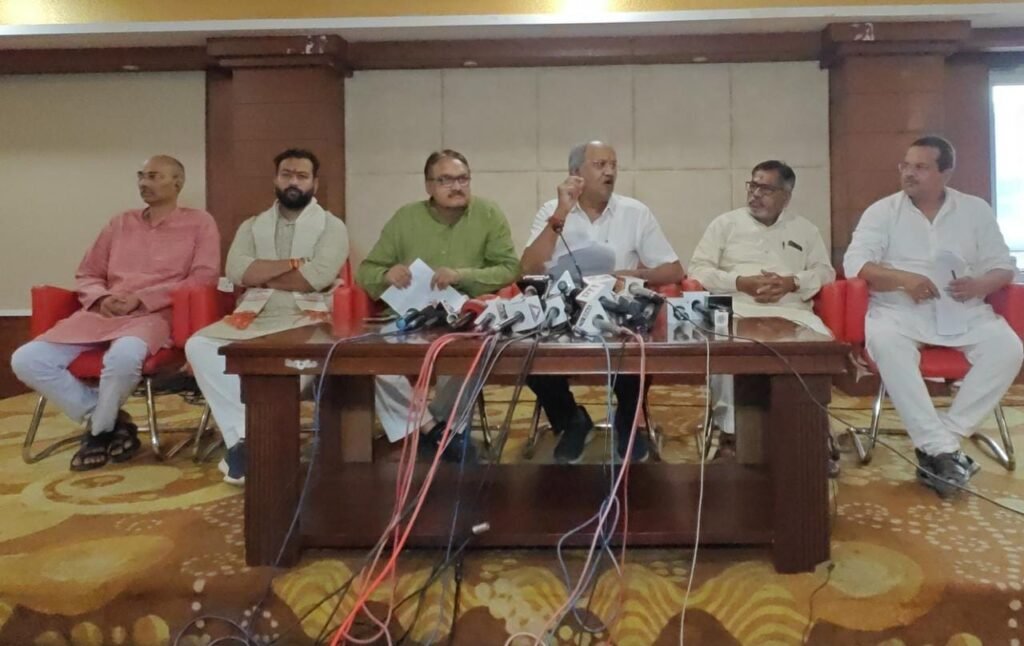
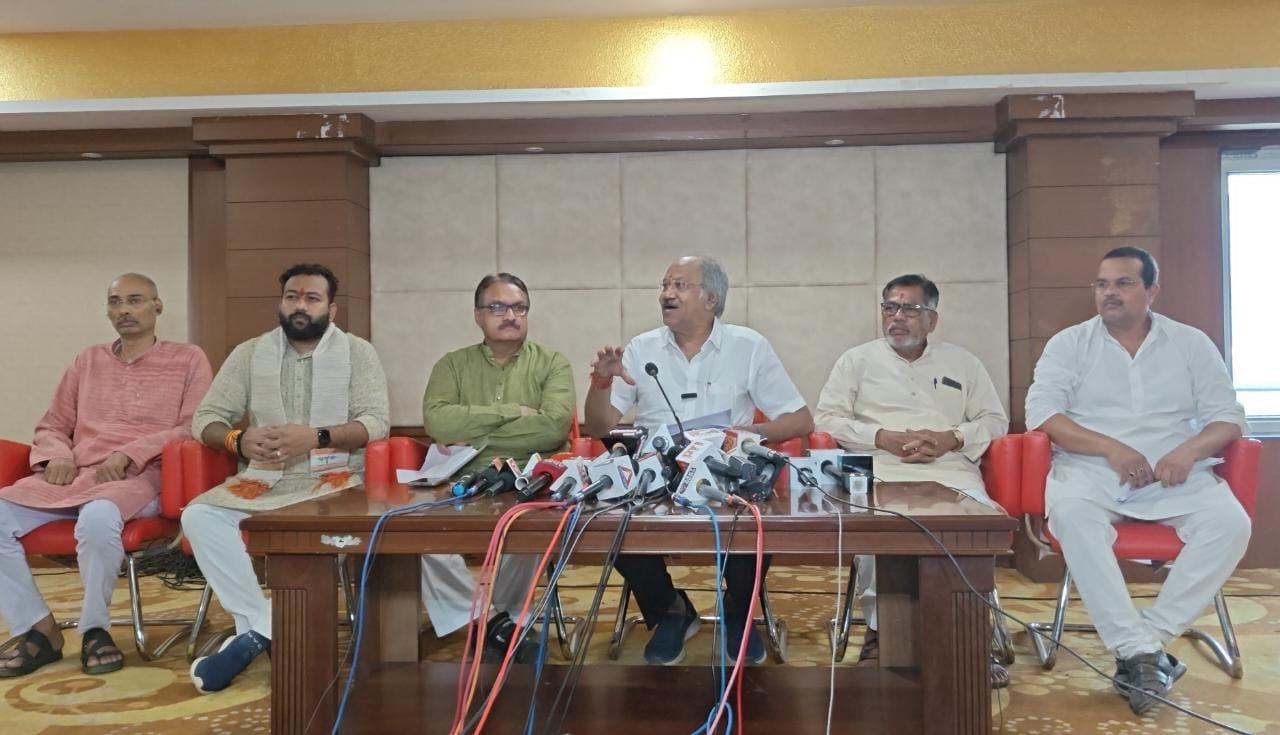
Former Chhattisgarh Minister, Brijmohan Agrawal, unveiled the campaign’s intricacies, outlining the plan to send thank you letters from farmers directly to Prime Minister Narendra Modi. Agrawal emphasized that this central decision, attuned to the farmers’ welfare, promises a jubilant festive season for Chhattisgarh’s farming community. While the state government has asserted its role in rice procurement funding, the Prime Minister himself clarified during a Raipur rally that the central government is the funding source.
Agrawal, a former Agriculture Minister, criticized the state’s Congress government for misleading farmers through deceptive statements. He noted the disparity in funding, with the central government providing 75,000 crores in contrast to the state’s 20,000 crores. Accusing the Congress leaders of double standards, he pressed them to acknowledge the central government and Prime Minister Modi’s role. Under the Kisan Morcha’s leadership, the campaign will canvass Chhattisgarh, collecting gratitude-filled letters from farmers to be presented to the Prime Minister.
A statement from Chief Minister Bhupesh Baghel a day earlier read, “When we laid out our produce, our rice went unpurchased.” The reported 86.5 lakh metric tons rice procurement plan from Chhattisgarh by the center has triggered discussions. The state received a consent letter from the center for custom milling. In response, CM Bhupesh Baghel revealed a phased approach: initially, 23 lakh metric tons procured, followed by 26 lakh, and subsequently 33 lakh metric tons. Baghel justified the decision citing global rice and wheat scarcity under the weight of international circumstances.